 vernaalissa
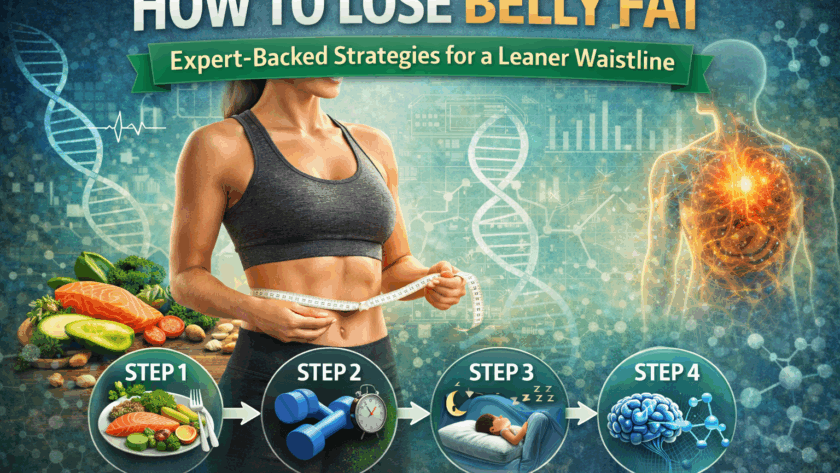
 Belly fat is one of the most stubborn types of fat to lose — and one of the most dangerous. Unlike fat stored in other parts of the body, excess abdominal fat is strongly linked to serious health conditions such as heart disease, type 2 diabetes, and metabolic syndrome.
The good news? Scientific research shows that targeted lifestyle changes can significantly reduce belly fat and improve overall health.
In this expert-backed guide, you’ll learn the most effective, evidence-based strategies to help you lose belly fat safely and sustainably.
Why Belly Fat Is More Harmful Than You Think
Not all fat is created equal. Belly fat, also known as visceral fat, surrounds vital organs like the liver and intestines. High levels of visceral fat can disrupt hormonal balance and increase inflammation throughout the body.
Studies have shown that reducing waist circumference can dramatically lower your risk of chronic disease — even if the number on the scale doesn’t change drastically.
Healthy waist measurements are generally considered:
- Women: Less than 35 inches (88 cm)
- Men: Less than 40 inches (102 cm)
If your measurements exceed these numbers, focusing on fat loss around the abdomen should become a priority.
1. Create a Sustainable Calorie Deficit
No fat loss strategy works without a calorie deficit.
When you consume fewer calories than your body burns, it begins to use stored fat for energy — including abdominal fat.
However, extreme dieting can slow your metabolism and increase muscle loss.
👉 Experts recommend aiming for a moderate deficit of 400–500 calories per day, which supports steady fat loss without triggering metabolic adaptation.
Key tip: Consistency matters more than intensity.
2. Increase Protein Intake to Reduce Abdominal Fat
Protein plays a crucial role in fat loss, particularly around the midsection.
Research suggests that higher protein intake can:
- Reduce appetite
- Lower late-night cravings
- Preserve lean muscle mass
- Increase calorie burning
A high-protein diet has also been associated with significantly less visceral fat accumulation over time.
Top protein choices include:
✅ Eggs
✅ Fish
✅ Chicken breast
✅ Greek yogurt
✅ Legumes
✅ Tofu
Aim for roughly 1.6–2.2 grams of protein per kilogram of body weight, depending on your activity level.
3. Cut Back on Refined Carbohydrates and Added Sugar
Refined carbs and sugary foods spike blood sugar levels and promote fat storage — especially in the abdominal area.
Foods to limit:
- Sugary beverages
- White bread
- Pastries
- Candy
- Highly processed snacks
Instead, focus on fiber-rich carbohydrates, which slow digestion and improve satiety.
Better options:
✔ Oats
✔ Quinoa
✔ Vegetables
✔ Fruits
✔ Whole grains
Soluble fiber, in particular, has been shown to help reduce belly fat by improving gut health and regulating appetite.
4. Lift Weights to Prevent Metabolic Slowdown
Many people rely solely on cardio when trying to lose belly fat. While cardio burns calories, strength training is essential for preserving muscle and maintaining metabolic rate.
Muscle tissue burns more energy at rest, meaning the more muscle you keep, the easier fat loss becomes.
Experts recommend 2–4 strength sessions per week focusing on compound movements such as:
- Squats
- Deadlifts
- Rows
- Push-ups
- Lunges
Remember — fat loss happens across the entire body. Spot reduction is a myth, but consistent training will gradually shrink your waistline.
5. Add High-Intensity Cardio for Faster Results
If you want to accelerate fat loss, consider incorporating High-Intensity Interval Training (HIIT).
HIIT alternates short bursts of intense activity with recovery periods and has been shown to reduce visceral fat more effectively than steady-state cardio in some studies.
Example HIIT workout:
- 30 seconds sprint
- 90 seconds walking
- Repeat for 15–20 minutes
Even performing HIIT twice per week can produce measurable results.
6. Prioritize Sleep to Control Fat-Storing Hormones
Sleep deprivation disrupts hormones that regulate hunger and fat storage.
When you don’t sleep enough:
- Ghrelin rises → you feel hungrier
- Leptin drops → you feel less satisfied
- Cortisol increases → fat storage becomes more likely
People who consistently sleep 7–9 hours per night tend to carry less abdominal fat.
Improving sleep may be one of the simplest — yet most overlooked — fat loss strategies.
7. Manage Stress to Prevent Belly Fat Accumulation
Chronic stress signals your body to release cortisol, a hormone associated with increased abdominal fat.
Stress also encourages emotional eating, particularly high-calorie comfort foods.
Effective stress-management methods include:
- Meditation
- Deep breathing
- Yoga
- Walking outdoors
- Journaling
Small daily habits can create powerful physiological changes.
8. Drink More Water to Support Fat Metabolism
Hydration plays a surprisingly important role in fat loss.
Drinking water can:
- Enhance metabolic function
- Reduce appetite
- Improve exercise performance
- Help the body break down stored fat
Try drinking a glass of water before meals — this simple habit can naturally lower calorie intake.
A common guideline is 2–3 liters per day, though individual needs vary.
9. Limit Alcohol Consumption
Alcohol is often referred to as a contributor to “beer belly” for a reason.
It is calorie-dense, lowers inhibitions around food, and temporarily reduces your body’s ability to burn fat.
Frequent drinking is strongly associated with increased waist circumference.
You don’t necessarily have to eliminate alcohol completely — but moderation is key.
10. Focus on Long-Term Habits, Not Quick Fixes
There is no miracle solution for belly fat.
Supplements, detox teas, and extreme diets often promise rapid results but rarely deliver sustainable change.
Instead, focus on habits you can maintain:
✅ Eat mostly whole foods
✅ Stay active
✅ Sleep well
✅ Manage stress
✅ Be patient
Fat loss is a physiological process — and physiology responds best to consistency.
How Long Does It Take to Lose Belly Fat?
This is one of the most common questions — and the honest answer is: it depends.
Factors include:
- Starting body fat percentage
- Age
- Hormonal health
- Activity level
- Nutrition quality
Most people begin noticing visible changes within 6–12 weeks of consistent effort.
Remember: slow progress is still progress.
Final Thoughts: The Real Secret to Losing Belly Fat
Losing belly fat isn’t about punishing workouts or starving yourself — it’s about working with your biology, not against it.
When you combine smart nutrition, resistance training, quality sleep, and stress control, your body naturally becomes more efficient at burning fat.
Stay consistent, trust the process, and focus on health rather than perfection.
Because in the end, a smaller waist is often the byproduct of a stronger, healthier body.