 vernaalissa
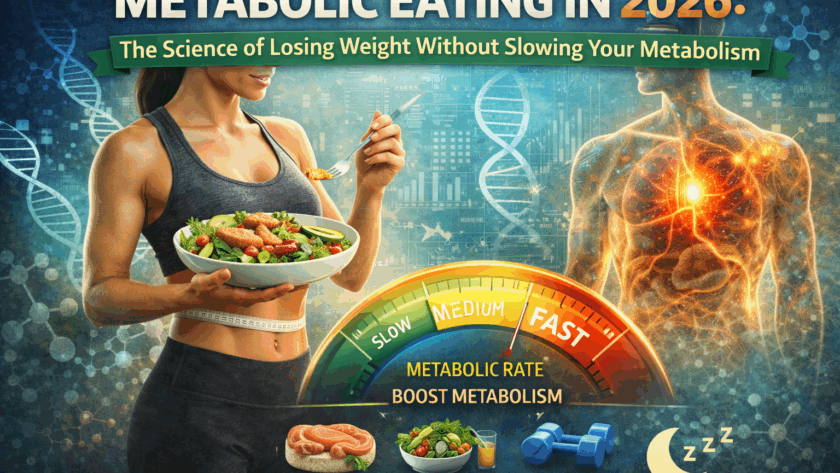
 In 2026, the weight loss world has shifted away from restrictive “crash diets” toward a more intelligent approach: Metabolic Eating. If you’ve ever felt like your diet has hit a plateau despite eating less, the problem likely isn’t your willpower—it’s your metabolic rhythm.
In this guide, we dive into the latest science-backed strategies to help you lose fat while keeping your energy levels high and your metabolism firing.
What is Metabolic Eating?
Metabolic eating is the practice of aligning your nutrient intake with your body’s natural circadian rhythms and energy needs. Unlike traditional calorie counting, this method focuses on nutrient density and hormonal balance to prevent the “starvation mode” that often leads to weight regain.
1. The “Fiber Maxing” Trend
One of the most searched terms this year is “Fiber Maxing.” High-fiber intake is no longer just about digestion; it’s about metabolic health.
- Why it works: Soluble fiber increases the production of short-chain fatty acids, which signal your brain to reduce hunger.
- The Goal: Aim for 30–35g of fiber daily from whole sources like lentils, raspberries, and chia seeds to naturally mimic the effects of GLP-1 satiety signals.
2. Protein-First Architecture
To lose weight without losing muscle, your meals must be built around protein.
- The “30/30” Rule: Start your day with 30 grams of protein within 30 minutes of waking up. This stabilizes blood sugar and prevents late-night cravings.
- Metabolic Boost: Protein has a higher thermic effect than fats or carbs, meaning your body burns more calories just by processing it.
3. Strategic “Eating Windows” (Not Just Fasting)
2026 research shows that when you eat is as vital as what you eat.
- Circadian Alignment: Try to consume the majority of your calories during daylight hours. A “12-hour kitchen closure” (e.g., no food between 8 PM and 8 AM) is often enough to reset insulin sensitivity without the stress of extreme fasting.
4. Supporting Your Journey with Supplements
While food is your foundation, certain “metabolic triggers” can help you overcome a plateau. Natural ingredients like Green Tea Extract (EGCG) and L-Carnitine are top-searched for their ability to support fat oxidation during movement.
Focus on fiber (30g+ daily).
Prioritize protein at every meal.
Align eating with your circadian rhythm.
Avoid ultra-processed foods that trigger “food noise.”