 vernaalissa
 Healthy and Sustainable Weight Loss: A Science-Based Guide
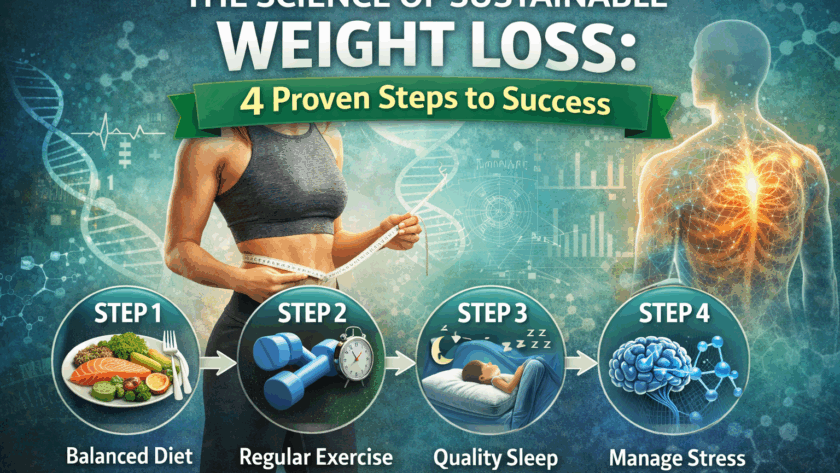
Losing weight is often perceived as a daunting challenge, but it doesn’t have to be. Instead of restrictive “fad diets,” focusing on sustainable lifestyle changes is the key to long-term success. In this guide, we explore effective, science-backed strategies to help you reach your ideal weight and, more importantly, stay there.
1. Focus on Nutrient Density, Not Just Calories
While a calorie deficit is necessary for weight loss, the quality of those calories determines your hunger levels and metabolic health.
- Prioritize Protein: High protein intake boosts metabolism and increases satiety.
- Eat Your Fiber: Soluble fiber (found in beans, oats, and fruits) helps reduce belly fat by keeping you full longer.
- Limit Processed Sugars: Hidden sugars in “low-fat” snacks can spike insulin and halt fat burning.
2. The Power of Strength Training
Many people focus solely on cardio. However, building muscle is a “metabolic cheat code.”
- Burn While You Rest: Muscle tissue burns more calories at rest than fat tissue does.
- Preserve Lean Mass: Resistance training ensures that the weight you lose comes from fat, not muscle.
3. Sleep and Stress: The Invisible Factors
You can’t out-diet a poor lifestyle. Chronic stress and lack of sleep are major roadblocks to weight loss.
- Cortisol Management: High stress levels increase cortisol, which signals the body to store fat around the midsection.
- Sleep for Satiety: Sleep deprivation disrupts “ghrelin” (the hunger hormone) and “leptin” (the fullness hormone), leading to overeating.
4. Mindful Eating Habits
How you eat is as important as what you eat.
- Eat Without Distractions: Avoid screens while eating to better recognize fullness cues.
- Hydrate Before Meals: Drinking 500ml of water 30 minutes before a meal can increase weight loss results.